How to Avoid Risks When Purchasing a Used Stump Grinder
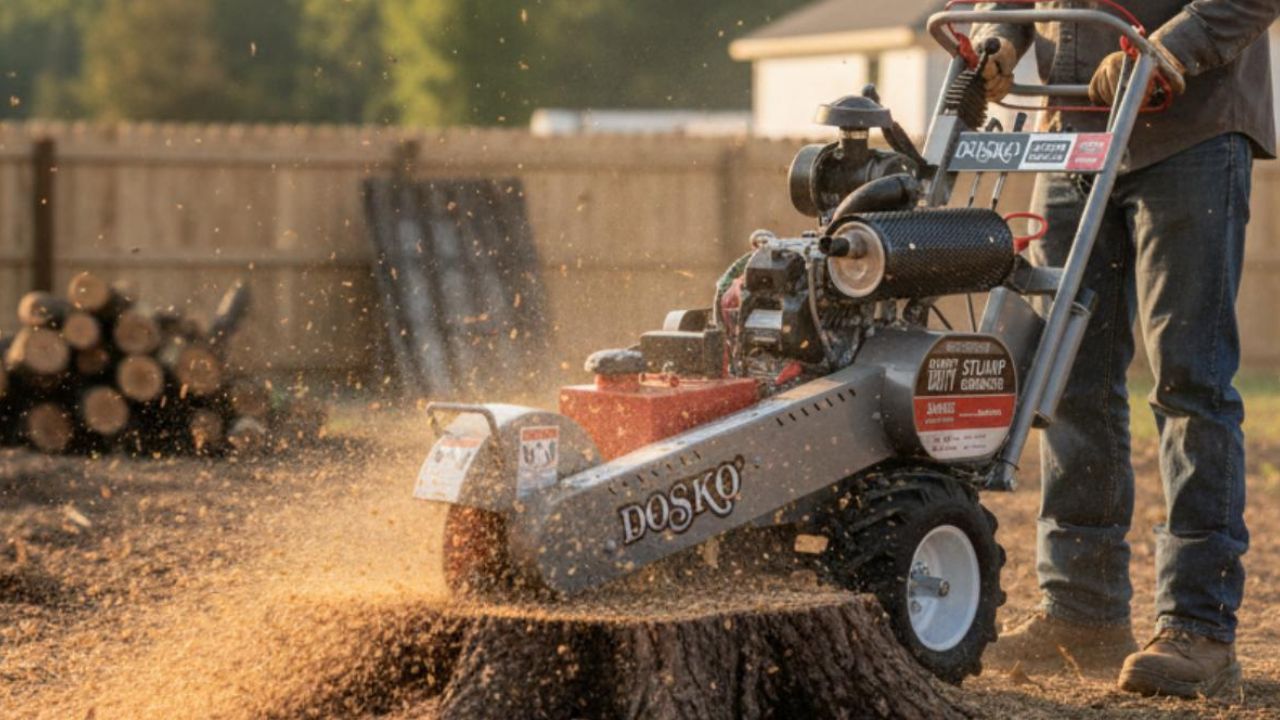
There are some risks associated with the second-hand market, such as mechanical problems, worn parts, and inefficient machines. Buyers should be careful and informed during the selection process to prevent losses and wastage of time due to a lack of funds and operational stagnation. To make a safe investment, it is necessary to understand how to buy a perfect Stump Grinder, evaluate the condition, the performance, and the reliability of the seller.
Understanding the Importance of Proper Evaluation
A stump grinder might be old, have signs of wear, and have a history of poor maintenance, which will have a considerable influence on the long-term functionality. Customers who do not adequately consider the machine are usually surprised by the cost of repairs in the near future. Thus, the first step in risk aversion is the comprehensive knowledge of the principles of stump grinders’ functioning and the most susceptible parts to wear. Hydraulic systems, structure, engine condition, cutting teeth, and hydraulic systems are some of the very crucial areas that ought to be taken care of.
Inspecting the Machine’s Physical Condition
One of the best methods to prevent risks is to conduct a rigorous physical inspection. The frame as a whole should be examined to determine whether it contains cracks, rust, or any other indication that it may have been used or mishandled. Cutting wheel and teeth should also be inspected since worn or damaged teeth will decrease the efficiency of grinding and will strain the machine. Hydraulic hoses and connections are to be evaluated regarding possible leaks or stiffness, since a hydraulic breakdown may result in costly repairs and safety risks during use.
Evaluating Operational Performance
The stump grinder should be tested in the actual working conditions before making any purchase. A machine that will start easily and run smoothly under load is usually more dependable than one that will seem to work when not in operation. It is also important to ensure that all the controls are responsive and that the safety systems are operational to minimize the operational risks once purchased. A performance test is a good source of insight that cannot be seen through a visual inspection.
Reviewing Maintenance History
A properly maintained record is a good sign of the reliability of a machine. Frequent maintenance, replacement of worn-out parts on time, and lubrication of stump grinders can greatly increase their longevity. The absence of records or their incompleteness increases the risk of concealed issues. The responsible seller must be in a position to furnish a record of previous repairs, replacement of parts, and service. It is usually safe to invest in machines that are in a regular state of service, despite the increased time of operation.
Assessing Seller Credibility
The credibility of the seller plays a major role in avoiding purchasing risks. Reliable dealers or known suppliers will provide more accurate information regarding machine condition and history. Conversely, defects might be covered up by private sellers who are not well-documented. The buyers must be keen on communication transparency, readiness to permit inspections, and integrity in terms of machine usage history. A trusted vendor minimizes the chances of fraud or misrepresentation.
Comparing Market Value and Avoiding Overpricing
Knowledge of the market price of the stump grinders of the same type prevents overpaying. Such low prices below average may signify some underlying problems that cannot be easily seen. Conversely, highly priced machines might not be worth their price based on their condition. An equal balance between age, use, status, and brand image will enable the purchasers to make knowledgeable financial choices. When research is done appropriately, the chances of investing in equipment that fails to deliver as promised are minimized.
Ensuring Long-Term Operational Safety
Another important consideration when buying used heavy equipment is safety. Functional safety guards, emergency shut-off systems, and stable control mechanisms should be provided in a stump grinder. Machines that do not have modern safety features or are associated with structural instability can be very dangerous to their users. Making sure that the equipment is safe to operate in will also prevent accidents and decrease the liability in the process of usage.
Conclusion
To be safe in buying a used stump grinder, there must be proper inspection, testing of its performance, and also checking of its maintenance history. Customers who take the time to consider mechanical quality, seller reputation, and learn the market prices greatly minimize the risk of making expensive errors. The selected used machine may provide a powerful performance and value, yet it is possible only in the case of its careful investigation and confirmation prior to purchase.