How the Six Main Types of Mulchers Handle Different Ground Cover and Terrain Conditions
Picking the wrong mulcher type for a job doesn’t always produce immediate failure — sometimes it just produces a machine that works harder than it should, wears parts faster than expected, and delivers results that are technically acceptable but costlier per acre than the right machine would have been. Understanding what each mulcher configuration is actually built for makes the selection less of a guessing exercise and more of a matching problem: what does the terrain look like, what’s the ground cover, what’s the carrier, and what does the finished product need to be?
Drum Mulchers
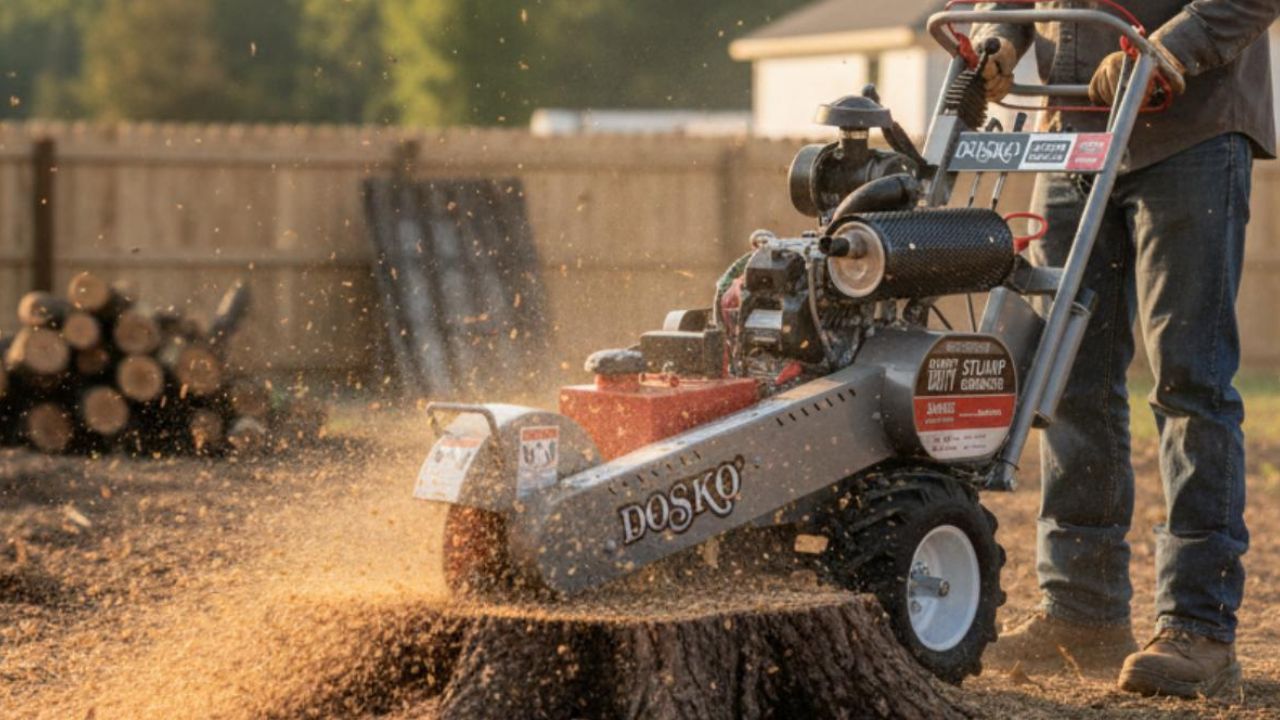
The drum mulcher is the most common configuration in forestry and heavy land clearing work. A horizontal rotating drum carries the cutting teeth — fixed teeth, swing hammers, or a combination — and processes material by drawing it into the drum at ground level. Drum mulchers handle large-diameter stems, dense brush concentrations, and stumps more effectively than most other configurations because the drum geometry allows the cutting teeth to work into the base of the material at the right angle for efficient fragmentation.
In dense hardwood brush or young timber stands, drum mulchers deliver coarser fragmentation than disc configurations but process larger material and maintain throughput in heavy conditions where lighter configurations bog down. The drum geometry also makes them relatively tolerant of uneven ground — the drum maintains consistent ground contact across mild terrain variation without requiring precise depth control from the operator.
Rocky terrain is where drum mulchers need more attention. Teeth on the outer diameter of a fast-spinning drum contact rock at high velocity, and the impact loads from rock contact are severe enough to fracture carbide and damage holders quickly if the operator isn’t managing ground engagement in rocky sections.
Disc Mulchers
Disc mulchers use a large rotating disc with teeth or blades mounted on its face, oriented to process material as the disc sweeps through brush at a fixed height above the ground. The disc geometry favors finer fragmentation than drum configurations — the sweeping cut produces smaller chips rather than the coarser material a drum tends to leave — and disc mulchers are faster across open brush where large-diameter stems aren’t the primary challenge.
The limitation is stem diameter. A drum mulcher can work through material at the base, below the point where the stem has significant structural resistance. A disc mulcher processes material at whatever height the disc is set to, which means very large-diameter stems at the base require multiple passes or present the disc with more resistance than it handles efficiently.
Disc mulchers suit right-of-way clearing, vegetation management along roadsides and utility corridors, and open land clearing where the material is primarily brush, grass, and small to mid-diameter stems. In these conditions, disc configurations typically outrun drum mulchers in productivity per hour.
Flail Mulchers
Flail mulchers use swing chains or Y-shaped hammers mounted on a horizontal shaft to beat and shred material. The flail mechanism is less aggressive than drum or disc configurations — it works by impact rather than cutting — which makes it suitable for lighter vegetation, grass, and small brush rather than timber-scale clearing.
The advantage of the flail design is that the swing elements deflect on contact with hard objects rather than transmitting the impact into the mounting points. This makes flail mulchers significantly more tolerant of rock content and hard debris than drum or disc configurations, and they’re common in agricultural applications, roadside maintenance, and any situation where the ground may have rock or other hard material mixed into the vegetation.
Flail mulchers don’t produce the fragmentation quality of drum or disc configurations in heavy brush, and they’re not the right choice when large-diameter stems are present. But in their intended application range — grass, light brush, and moderate vegetation on potentially rocky ground — they hold up better than configurations built for heavier work.
Excavator-Mounted Mulchers
Excavator-mounted mulchers attach to the arm of a tracked excavator rather than being carrier-machine-specific. The excavator’s reach and positioning capability gives the mulcher access to terrain that a self-propelled mulcher or tractor-mounted configuration can’t reach — steep slopes, unstable ground, material adjacent to structures, and areas where tracked machine access is limited.
The trade-off is production rate. An excavator-mounted mulcher processes one section at a time, repositioning between cuts, rather than driving continuously through material the way a drive-over configuration does. In terrain where access and slope are the constraints — hillside clearing, riparian buffer work, clearing near structures — the positioning control of the excavator arm makes it the practical choice regardless of production rate.
The mulching head on excavator-mounted configurations uses the same drum or disc geometry as ground-based machines, and the wear parts follow the same selection logic. Rocky terrain, large stems, and fine-fragmentation requirements each point toward the same rotor and tooth choices they would on a self-propelled machine.
Skid Steer and Compact Track Loader Mulchers
Compact mulcher attachments designed for skid steers and CTLs bring mulching capability to a carrier that many contractors already have. The machines are smaller and less powerful than purpose-built forestry equipment, and the mulcher attachments are sized accordingly — smaller drums or discs, lower power draw, and a practical stem diameter limit well below what a full-size forestry mulcher can handle.
In their working range — brush, small to moderate stems, and light forestry work — skid steer mulchers are effective and the attachment cost is far below a dedicated mulching machine. They’re common in residential and light commercial land clearing, small lot clearing, and any application where the material is within their capacity and the carrier is already on site.
Terrain mobility is the limiting factor. Skid steers and CTLs have less ground clearance and less traction capability than tracked forestry equipment, and steep or heavily rutted terrain often limits what the carrier can safely access even if the mulcher attachment could handle the material.
Tractor PTO-Driven Mulchers
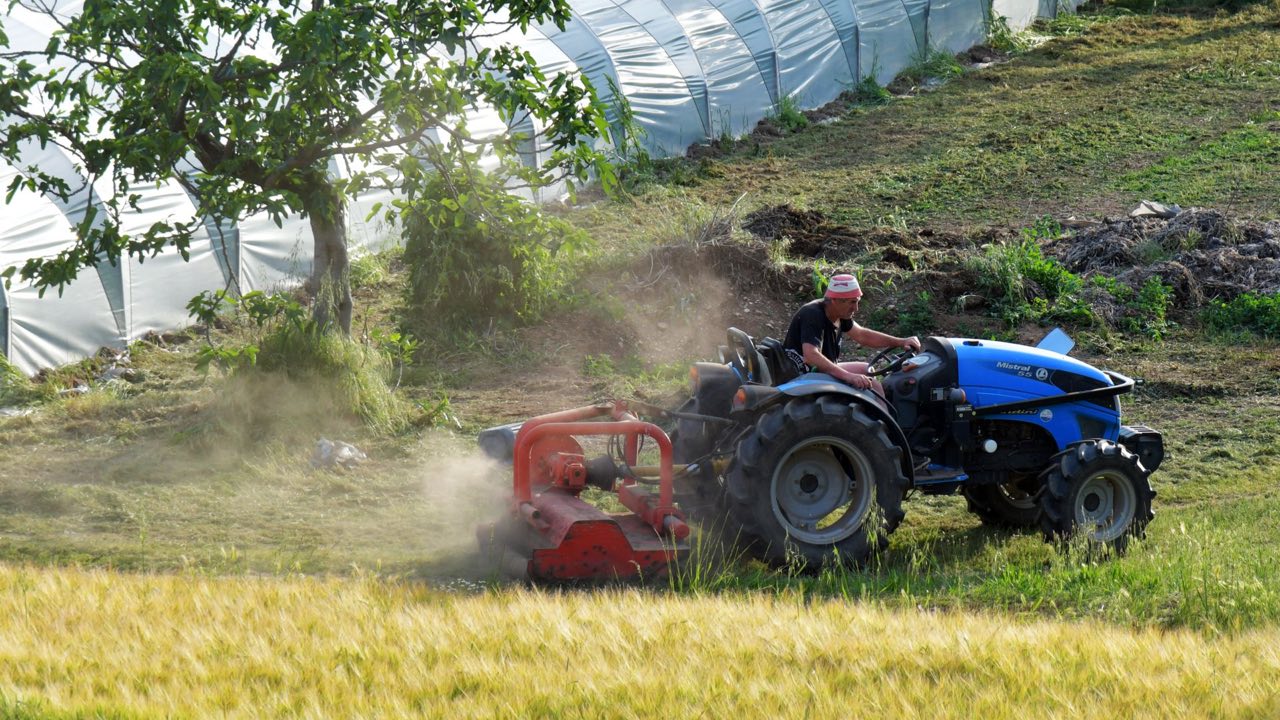
PTO-driven mulchers attach to agricultural tractors and draw power from the tractor’s power take-off. This configuration is common in agricultural land management — clearing hedgerows, managing field margins, processing crop residue, and maintaining vegetation on farmland that’s worked with tractor equipment anyway.
The PTO-driven mulcher is the lowest-cost entry point for mulching capability in agricultural settings and delivers practical performance in the vegetation and terrain conditions tractors are designed for. Rocky ground tolerance depends heavily on the specific rotor design — flail configurations are more forgiving than fixed-tooth drums on agricultural ground that may have surface rock mixed with the vegetation.
Understanding which configuration matches which conditions is the starting point for equipment selection. The guide covering the types of mulchers in more depth explains the operating parameters and application boundaries for each, which is useful context when the decision involves terrain or material that sits at the edge of what a given configuration handles well.